
"organic acid"
8000 article(s) found

Introduction of Peruvian Organic Coffee introduction of characteristic organic coffee in northern Peru
Compared with high-quality organic Peruvian coffee, the difference between ordinary organic Peruvian coffee and high-quality organic Peruvian coffee is huge: relatively cheap beans are not only poor in quality, but often have obvious defects in the cup. Especially the grass flavor, overfermented flavor. It takes a lot of effort to find good Peruvian coffee beans that can be bought by a lot of middlemen or other ways.

Niagara Notega-UCASUMAN Coffee Cooperative Baking suggestion and Flavor description
Professional barista exchanges please pay attention to the coffee workshop (Wechat official account cafe_style) Nicaragua Guardia Notega-UCASUMAN coffee cooperative organic beans Nicaraguan coffee is not well-known in Taiwan in recent years, except for the traditional high-altitude typical tree species such as beans (M aragogype) and Java tree beans, ordinary coffee lovers seldom mention him, in fact, Nicaragua

Peru: the flavor of organic coffee is characterized by high quality balance and palatable acidity. Peruvian Coffee History
Professional coffee knowledge exchange more coffee bean information Please follow the coffee workshop (Wechat official account cafe_style) 98% of Peruvian coffee is grown in the jungle at the foot of the Andes. Peruvian coffee was not favored by the international market at first because of the volatile political and economic situation and the fact that Peruvian coffee industry was once a small-scale peasant economy. With neighboring Colombian coffee
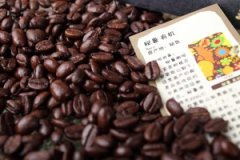
Peruvian organic coffee beans, a major coffee producer in western South America
Coffee origin: Peru (Peru) is also a major coffee producer. Up to 98% of Peruvian coffee is grown in forest areas, and most producers are small farmers. Peru has good economic conditions and a stable political situation, thus ensuring the good quality of coffee. However, there are many local problems, in addition to guerrilla warfare and drug trafficking, in the mid-1990s in the coastal areas

Production of organic coffee boutique coffee beans in Peru
Peru: organic coffee flavor and taste characteristics: high quality and balanced, palatable acidity, can be used for mixed drinks. Peruvian coffee cultivation history is not long, but as a rising star, Peruvian coffee is gradually opening up its popularity and entering the international market. Peru is located in western South America, with a coastline of 2254 kilometers. The Andes runs from north to south, and the mountains account for 1% of the total area of the country, which belongs to tropical sand.

Does Bolivian coffee taste good by hand? How do you cook it? Bolivian Coffee Hauvignon Manor Organic Water
Professional coffee knowledge exchange more coffee bean information please follow the coffee workshop (Wechat official account cafe_style) hand-made Bolivian coffee tastes good? How would you like it cooked? What is the flavor of organic washed beans in Bolivian Coffee Hauvignon Manor? Flavor: clean and balanced, soft, sweet, fine acidity, caramel, milk chocolate, figs and cantaloupe Bolivia
Common sense of coffee Why do some coffees taste sour?
Varieties such as Mocha, Colombia, Guatemala and Costa Rica. The degree of roasting is also related to the acidity of the coffee, usually the lightly fried coffee beans also contain organic acids, so the coffee washed out tastes sour, while the deep-fried coffee beans, because the high temperature of the fried beans has released the organic acids contained in the coffee beans, so the acidity of the coffee is low. The coffee is brewing.

How about Peruvian organic coffee? Brief introduction of Peruvian Coffee
Following Caf é comment (Wechat official account vdailycom) found that good Caf é opened a small shop of its own Peru is an internationally famous quality coffee producing area, regardless of grade, all of its producing areas are organically grown Arabica beans, without organic compound fertilizers and pesticides (the main coffee farmers are too poor to afford it), and generally fertilizers come from rotten or poorly grown coffee cherries. Peru

Is drinking coffee healthy in the end? World Health Organization (WHO) said trans fats can be deadly and should not be found in food.
Professional coffee knowledge exchange more coffee bean information please follow the coffee workshop (Wechat official account cafe_style) more boutique coffee beans please add private Wechat Qianjie coffee, WeChat: qjcoffeex World Health Organization released a report on the 23rd, according to World Health Organization (WHO) 's data, in

How about organic coffee? Mexican organic coffee? what is the taste characteristics of organic coffee?
Professional coffee knowledge exchange more coffee bean information please follow the coffee workshop (Wechat official account cafe_style) organic coffee beans Mexico CHIAPAS Chiapas Highland Coffee taste and flavor characteristics? Name of organically certified organization: OCIA (Organic Crop Improvement Association) other certification bodies and certificates: USDA American Farmer

Mexican Coffee Chiapas PB Roast and Flavor Description
Professional coffee knowledge exchange More coffee bean information Please pay attention to coffee workshop (Weixin Official Accounts cafe_style) Mexico-Chiapas PB small round beans and round beans planting environment and history? Mexico is one of the largest producers of certified organic coffee. OPCAAC (Organic Small Farmers Production Organization) was founded in 1995 to construct a farm management system with emphasis on coffee farmers.

Organic Coffee, a Peruvian coffee producer in western South America, introduces the production areas of Peruvian coffee.
Peruvian coffee is grown in a planned way, which has greatly increased coffee production. Its rich acidity and mellow smoothness are its most prominent features. Peruvian coffee has a soft sour taste, medium texture, good taste and aroma, and is an indispensable ingredient in the production of comprehensive coffee. High-quality Peruvian coffee with a strong aroma, smooth, layered and full-bodied
Organic Coffee growing Environment in Peru
Peru: organic coffee flavor and taste characteristics: high quality and balanced, palatable acidity, can be used for mixed drinks. Peruvian coffee cultivation history is not long, but as a rising star, Peruvian coffee is gradually opening up its popularity and entering the international market. Peru is located in western South America, with a coastline of 2254 kilometers. The Andes runs from north to south, and the mountains account for 1% of the total area of the country, which belongs to tropical sand.
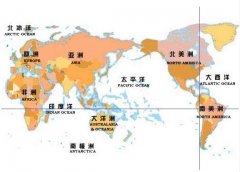
Fine Coffee introduces Peruvian Organic Coffee
Peru: organic coffee flavor and taste characteristics: high quality and balanced, palatable acidity, can be used for mixed drinks. Peruvian coffee cultivation history is not long, but as a rising star, Peruvian coffee is gradually opening up its popularity and entering the international market. Peru is located in western South America, with a coastline of 2254 kilometers. The Andes runs from north to south, and the mountains account for 1% of the total area of the country, which belongs to tropical sand.

Is coffee sour or bitter which tastes good? is coffee sour? what is sour?
Professional coffee knowledge exchange more coffee bean information please follow the coffee workshop (Wechat official account cafe_style) front street-coffee acidity introduction in my concept, coffee acid is actually divided into good acid and bad acid, regular coffee drinkers will actually find that good acid must be with sweet acid, while bad acid will hardly have sweet feeling, so it forms a sharp point.
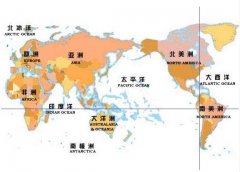
World boutique coffee beans Peruvian organic coffee
Peru: organic coffee flavor and taste characteristics: high quality and balanced, palatable acidity, can be used for mixed drinks. Peruvian coffee cultivation history is not long, but as a rising star, Peruvian coffee is gradually opening up its popularity and entering the international market. Peru is located in western South America, with a coastline of 2254 kilometers. The Andes runs from north to south, and the mountains account for 1% of the total area of the country, which belongs to tropical sand.

Peruvian Coffee Bean Growing Areas Elevation Climate Flavor Description
Follow Coffee Review (Weixin Official Accounts vdailycom ) and find a beautiful cafe to open its own shop Peru, fully known as the Republic of Peru (Spanish: Repblica del Per), is a country in western South America, bordered by Ecuador and Colombia in the north, Brazil and Bolivia in the east, Chile in the south and the Pacific Ocean in the west. It is a member of the Union of South American Nations. to

An introduction to the Organic Coffee growing region in Western Peru
Peruvian coffee is grown in a planned way, which has greatly increased coffee production. Peruvian coffee has a mellow taste and proper acidity, and this lukewarm coffee attitude has made more and more people like it. Peruvian coffee has always been used as one of the stable mellow mixed beans of comprehensive coffee, and its rich acidity and mellow smoothness are its most prominent features. Peruvian coffee

Cream and coffee? What is straw cream? The advantages and disadvantages of bulletproof coffee to health
Professional coffee knowledge exchange more information about coffee beans Please follow the coffee workshop (Wechat official account cafe_style) what is grass-fed cream? Why do people on a ketogenic diet keep emphasizing the need to eat grass-fed cream? "grass-fed cream" is the cream made from the milk they produce from cows that feed on grass. The creation of bulletproof coffee (Bulletproof Coffee)

Introduction and flavor description of organic coffee beans on Mamani Family Farm in Bolivia
Professional barista exchanges please follow the coffee workshop (Wechat official account cafe_style) Bolivia Marmani family farm organic beans Bolivia is a landlocked country known as the ancient plateau, coffee is mainly produced in the plateau 1200 ~ 2000 meters above sea level, the main producing areas are Caranavi Karanawi in the north and Santa Cruz Santa Cruz in the south, both of which are cultivated on small farms.